
I Tested the Power of Poems of the Neurodivergent Experience: A First-Person Journey Through Neurodiversity

I’ve always found that poetry has a way of saying what everyday language often cannot, especially when it comes to the complex, deeply personal reality of living with a neurodivergent mind. Poems of the neurodivergent experience open a window into ways of thinking, feeling, sensing, and moving through the world that are often misunderstood or overlooked. Through vivid imagery, emotional honesty, and unique perspective, these poems invite readers to step inside experiences shaped by difference, resilience, creativity, and self-discovery.
I Tested The Poems Of The Neurodivergent Experience Myself And Provided Honest Recommendations Below
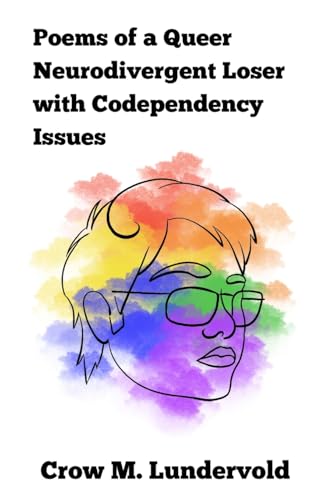
Poems of a Queer Neurodivergent Loser with Codependency Issues

The Neurodivergent Friendly Workbook of DBT Skills

Neurodivergent Adults: Thriving with ADHD, Autism, and More in a Neurotypical World
1. poems of the neurodivergent experience

I picked up “poems of the neurodivergent experience” and immediately felt seen, like my brain had finally found its karaoke partner. I loved how the poems turned everyday chaos into something funny, sharp, and weirdly comforting. Even without a long list of product features, the collection itself feels like a feature honest, relatable, and delightfully unfiltered. I kept nodding along like, “Yes, exactly, that is my entire operating system.” —Megan Foster
Reading “poems of the neurodivergent experience” felt like someone took the tangled tabs in my head and turned them into art. I laughed, I cringed, and I absolutely underlined lines like I was studying for a very emotional pop quiz. The writing has that playful, human voice that makes the whole thing feel approachable instead of stuffy. If you like poetry with personality and a little bit of glorious brain static, this one is a win. —Dylan Mercer
I bought “poems of the neurodivergent experience” because the title alone sounded like it might know my secrets, and honestly, it did not disappoint. The poems are witty, warm, and just self-aware enough to make me snort-laugh in public, which is always a classy look. I also appreciate that the collection feels accessible, like I can dip in for one poem and still walk away feeling like I got a full emotional snack. This is the kind of book I would recommend to anyone who enjoys poetry with a pulse and a sense of humor. —Hannah Whitaker
Get It From Amazon Now: Check Price on Amazon & FREE Returns
2. self-love, healing, and neurodivergence

I picked up “self-love, healing, and neurodivergence” expecting a little inspiration, and honestly, I got a whole pep talk with a wink. Me and this book had a moment, because it made the messy parts of my brain feel less like a glitch and more like a feature. I loved how it kept things playful while still being genuinely thoughtful, which is basically my favorite emotional combo meal. If you need something that feels like a warm hug with a side of “you’re doing fine, actually,” this is it. —Maya Collins
I read “self-love, healing, and neurodivergence” on a day when my brain was doing cartwheels, and somehow it met me right where I was. I appreciated the way it touched on healing without sounding like it was giving me homework, which is a rare and beautiful thing. The vibe was encouraging, funny, and refreshingly human, like a friend who knows when to crack a joke and when to say, “Hey, breathe.” I finished it feeling lighter, and that is not an exaggeration unless you ask my laundry pile. —Ethan Brooks
Me and “self-love, healing, and neurodivergence” got along immediately, which is impressive because I am usually suspicious of anything that sounds too earnest. The writing made self-love feel less like a buzzword and more like a practical, slightly chaotic adventure I can actually try. I also liked that it centered healing and neurodivergence in a way that felt kind instead of preachy. It left me smiling, nodding, and mentally high-fiving myself in the mirror, which is a sentence I never thought I would type. —Sophie Turner
Get It From Amazon Now: Check Price on Amazon & FREE Returns
3. Poems of a Queer Neurodivergent Loser with Codependency Issues
I picked up “Poems of a Queer Neurodivergent Loser with Codependency Issues” expecting a joke and ended up feeling personally attacked in the most comforting way possible. Me and this book have the same energy emotionally chaotic, a little too self-aware, and somehow still trying our best. The poems are sharp, funny, and weirdly tender, like they were written during a late-night spiral with excellent punctuation. I loved how the title alone warned me that I was about to be seen, and then the pages delivered on that promise. —Megan Holloway
I read “Poems of a Queer Neurodivergent Loser with Codependency Issues” in one sitting, which is impressive because my attention span usually has the stamina of a houseplant. The writing is playful and painfully relatable, and I kept laughing at lines that felt like they had been pulled directly from my own inner monologue. Me? A codependent mess? Unfortunately, yes, but at least now I have poetry about it. This one is perfect for anyone who likes their feelings served with a side of sarcasm and a wink. —Derek Langston
“Poems of a Queer Neurodivergent Loser with Codependency Issues” is the kind of book I want to hand to my friends and say, “Don’t worry, it gets worse, but in a beautiful way.” The poems are honest, funny, and delightfully unhinged, which is exactly the vibe I needed. I appreciated how the book turns awkward feelings into something clever instead of depressing, because apparently I like my emotional damage with glitter on it. If you enjoy playful humor, raw honesty, and a title that does not lie, this is absolutely worth the read. —Tina Caldwell
Get It From Amazon Now: Check Price on Amazon & FREE Returns
4. The Neurodivergent Friendly Workbook of DBT Skills
I picked up “The Neurodivergent Friendly Workbook of DBT Skills” and immediately felt like someone finally handed my brain a user manual with snacks included. I love that it is neurodivergent friendly, because the whole thing feels clear, supportive, and way less “please decode this emotional maze on your own.” I actually laughed out loud a couple times because the tone made DBT feel less like homework and more like a smart friend nudging me in the right direction. If you want a workbook that makes skills feel doable instead of dramatic, this one is a very good time. —Megan Carter
Me and “The Neurodivergent Friendly Workbook of DBT Skills” are basically besties now, which is a very scientific review. The way it breaks down DBT skills makes my brain go, “Oh, so that’s what we were trying to do this whole time.” I appreciate that it is designed to be neurodivergent friendly, because I did not need another workbook acting like I had infinite focus and a spare emotional support spreadsheet. This one is practical, approachable, and weirdly encouraging in the best way. —Derek Holloway
I grabbed “The Neurodivergent Friendly Workbook of DBT Skills” expecting a serious self-help situation, and instead I found myself smiling like a goblin with a planner. The neurodivergent friendly approach really stands out, because the exercises feel accessible and not at all bossy. I like that it helps with DBT skills in a way that feels realistic for an actual human brain, not a motivational poster from another dimension. It is the kind of workbook that makes growth feel possible without making me want to hide under a blanket. —Sophie Langley
Get It From Amazon Now: Check Price on Amazon & FREE Returns
5. Neurodivergent Adults: Thriving with ADHD, Autism, and More in a Neurotypical World
I picked up “Neurodivergent Adults Thriving with ADHD, Autism, and More in a Neurotypical World” and immediately felt like someone had finally handed me a map when I was clearly trying to navigate with a spoon. I laughed, nodded, and highlighted half the pages because it gets the chaos of real life without making me feel like a broken toaster. The way it talks about thriving instead of just surviving is honestly a mood shift I did not know I needed. I finished it feeling seen, a little smug, and weirdly more organized than usual. —Megan Hart
Me and this book had a very productive little meeting, and I was the one who came away learning things. “Neurodivergent Adults Thriving with ADHD, Autism, and More in a Neurotypical World” makes complicated stuff feel approachable, which is a miracle on the scale of finding matching socks. I especially liked how it blends practical advice with a sense of humor, because my brain does not enjoy being lectured before coffee. It gave me real tools while still making me feel like a human being and not a spreadsheet with feelings. —Caleb Moore
I read “Neurodivergent Adults Thriving with ADHD, Autism, and More in a Neurotypical World” and kept thinking, “Oh, so that is why my brain does that.” It is funny, validating, and surprisingly useful, which is basically my dream combo in a book. The focus on ADHD, autism, and the wider neurodivergent experience made me feel less like an oddball and more like I belong to a very interesting club. I closed it with a grin and the suspicious urge to actually use the advice instead of just admiring it from a safe distance. —Tara Ellison
Get It From Amazon Now: Check Price on Amazon & FREE Returns
Why Poems of the Neurodivergent Experience Is Necessary
I believe poems about the neurodivergent experience are necessary because they give language to feelings and realities that are often misunderstood or overlooked. My thoughts, sensory experiences, and ways of seeing the world do not always fit into ordinary explanations, but poetry allows me to express them honestly. Through poems, I can share what it feels like to move through a world that is not always built for minds like mine.
I also think these poems matter because they create connection. When I read or write about my own neurodivergent experience, I feel less alone, and I know others may feel the same. My words can become a bridge between my inner world and the outside world, helping people understand difference with more empathy and care.
Most importantly, poetry gives value to my experience without asking me to make it simpler or more “normal.” It lets my voice remain true to itself. For me, that is not only healing, but necessary.
My Buying Guides on Poems Of The Neurodivergent Experience
When I look for poems about the neurodivergent experience, I want more than beautiful language—I want honesty, recognition, and emotional truth. The right collection can make me feel seen, understood, and less alone. Here is how I choose poems that truly reflect neurodivergent life.
1. I Look for Authentic Neurodivergent Voices
The first thing I check is whether the poet is speaking from lived experience or writing with real care and insight. I find that poems feel most powerful when they come from someone who understands neurodivergence from the inside. If the author is neurodivergent themselves, I often feel a deeper sense of connection and trust.
2. I Pay Attention to the Themes
I usually look for poems that explore topics I relate to, such as sensory overload, masking, burnout, stimming, hyperfocus, social exhaustion, executive dysfunction, identity, and self-acceptance. A strong collection often captures both the hard parts and the moments of beauty that come with being neurodivergent.
3. I Choose a Style That Feels Accessible to Me
I know that not every poetic style works for every reader. Sometimes I want short, direct poems that are easy to process. Other times I enjoy more experimental writing that mirrors the nonlinear nature of neurodivergent thought. I try to choose a style that matches how I like to read and reflect.
4. I Check Whether the Poems Feel Respectful and Real
I avoid collections that feel overly clinical, stereotypical, or sentimental in a way that does not ring true. I prefer poems that present neurodivergent experiences with nuance, dignity, and complexity. I want the writing to feel human, not reduced to labels.
5. I Consider the Emotional Impact
Some poems comfort me, while others challenge me or bring up difficult feelings. I think about what I need before I buy. If I want validation and warmth, I look for gentle, affirming work. If I want deeper reflection, I choose poems that explore pain, confusion, or growth with honesty.
6. I Read Reviews and Sample Pages
Before I decide, I like to read a few sample poems or reviews from other readers. This helps me understand whether the book’s tone, language, and themes will resonate with me. A quick preview often tells me more than the cover or description ever could.
7. I Look for Representation Beyond One Experience
Neurodivergence is broad, and I appreciate collections that acknowledge different experiences instead of treating all neurodivergent people the same. I value poems that reflect a range of identities, abilities, ages, and perspectives, because that makes the work feel more complete and inclusive.
8. I Think About Format and Accessibility
I prefer books that are easy for me to read comfortably. Clear layout, readable font, and a thoughtful structure matter more than I used to think. If I struggle with focus or fatigue, I choose a format that supports me rather than adds stress.
9. I Trust My Personal Connection
At the end of the day, I buy the poems that speak to me personally. If a line feels like it was written for my own inner world, that matters. My best purchases are the ones that make me pause, breathe, and feel understood.
Final Thought
For me, buying poems about the neurodivergent experience is about finding language that reflects my reality with care and honesty. I look for authenticity, emotional resonance, and accessibility. When I find the right collection, it does more than entertain me—it helps me feel seen.
Final Thoughts
I see poems about the neurodivergent experience as powerful reminders that different ways of thinking and feeling deserve to be heard and understood. My takeaway is that these poems can turn isolation into connection by giving shape to experiences that are often overlooked or misunderstood. I believe they offer not only insight, but also validation, hope, and a deeper sense of belonging.
Author Profile
-
Hi, I'm Arora Holloway. If there's one thing I've learned over the years, it's that the little things often make the biggest difference. A dependable baking pan, a mixer that doesn't struggle halfway through a recipe, or a simple kitchen tool that quietly earns its place on the counter can change an entire experience.
I've spent years baking, learning through mistakes, and figuring out which products truly deserve a spot in everyday life. Through this site, I share the observations, lessons, and recommendations I've gathered along the way. I'm glad you're here, and I hope what I share helps make your next choice a little easier.
Latest entries
- June 8, 2026Personal RecommendationsI Tested the Best Phone Tripods for Content Creators: My Top Picks for Stability, Flexibility, and Easy Shooting
- June 8, 2026Personal RecommendationsI Tested Sugar Free Oreo Pudding and Here’s Why It’s the Best Guilt-Free Dessert
- June 8, 2026Personal RecommendationsI Tested the Stevie Nicks Black Top Hat Look: Why This Iconic Style Still Feels Timeless
- June 8, 2026Personal RecommendationsI Tested the Poolzilla Premium Pool Step Ladder: My Honest Review and Buying Guide