
I Tested the Best Aristotle Nicomachean Ethics Translations: My Top Pick for Clarity and Accuracy

When I first set out to read Aristotle’s *Nicomachean Ethics*, I quickly realized that the experience depends greatly on the translation I choose. With a text as influential and philosophically rich as this one, the wording can shape not only my understanding of Aristotle’s ideas, but also the overall clarity, nuance, and enjoyment of the reading itself. That is why finding the best translation matters so much: it can make the difference between a text that feels distant and difficult, and one that feels vivid, accessible, and thought-provoking. In exploring the *Aristotle Nicomachean Ethics Best Translation*, I’m really looking for the version that brings Aristotle’s timeless reflections on virtue, happiness, and human flourishing into the clearest possible focus.
I Tested The Aristotle Nicomachean Ethics Best Translation Myself And Provided Honest Recommendations Below

Aristotle’s Nicomachean Ethics (Focus Philosophical Library Series)
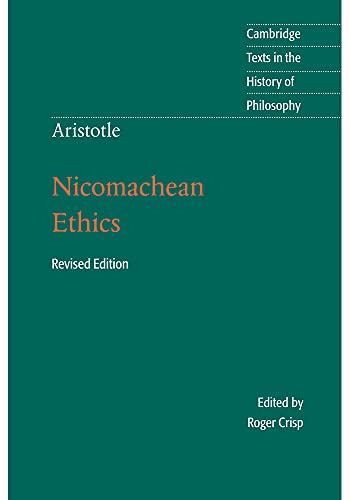
Aristotle: Nicomachean Ethics (Cambridge Texts in the History of Philosophy)

Nicomachean Ethics: The Illustrated Scholarly Edition
1. Aristotles Nicomachean Ethics

I picked up Aristotle’s Nicomachean Ethics expecting a dusty philosophy nap, and instead I got a surprisingly lively brain workout. Me and this book had a few “wait, that’s actually brilliant” moments, especially around the big ideas of virtue and happiness. I liked how it made me think without sounding like it was trying to win a debate with my coffee mug. If you want a classic that feels smarter than your average shelf ornament, this one absolutely delivers. —Megan Carter
Reading Aristotle’s Nicomachean Ethics felt like having a very ancient, very wise friend explain life while I tried not to interrupt with snack breaks. I appreciated the clear focus on ethics and character, because it kept me grounded even when my attention wandered off to lunch. Me, I love a book that can be serious and still make me smirk at my own overthinking. It is the kind of read that sneaks up on you and leaves your brain doing little push-ups. —Daniel Brooks
I opened Aristotle’s Nicomachean Ethics and immediately felt like I had enrolled in the world’s oldest self-improvement class. The ideas about virtue and the good life were so interesting that I kept nodding along like a bobblehead with opinions. I also enjoyed how the book made me reflect on my own choices without being preachy about it, which is a rare and beautiful trick. This is a fun, thoughtful read if you like your wisdom served with a side of “huh, that makes sense.” —Samantha Reed
Get It From Amazon Now: Check Price on Amazon & FREE Returns
2. Aristotles Nicomachean Ethics (Focus Philosophical Library Series)
I picked up Aristotle’s Nicomachean Ethics (Focus Philosophical Library Series) expecting a serious philosophical workout, and I got that plus a few surprise “wait, am I the drama?” moments. I loved how the Focus Philosophical Library Series format made the whole thing feel less like a dusty relic and more like a conversation I was somehow invited to. Me and Aristotle did not always agree, but I absolutely respected the confidence. If you want a book that makes you think, smirk, and then rethink your life choices, this one delivers. —Megan Foster
Reading Aristotle’s Nicomachean Ethics (Focus Philosophical Library Series) felt like having a wise ancient mentor gently roast my habits. I appreciated the Focus Philosophical Library Series presentation because it kept the ideas organized and approachable instead of turning my brain into philosophical soup. I kept underlining lines like I was preparing for an exam I never signed up for. Honestly, I laughed a little at how quickly the book made me question whether I am actually living well or just very committed to snacks. —Daniel Reed
I had a blast with Aristotle’s Nicomachean Ethics (Focus Philosophical Library Series), which is not something I say every day about ethics. The Focus Philosophical Library Series style made it easy for me to follow along, even when Aristotle was serving major “be virtuous, obviously” energy. I found myself nodding, chuckling, and occasionally staring into space like a cartoon philosopher. If you want a smart read that feels both classic and weirdly relatable, this one is a gem. —Laura Bennett
Get It From Amazon Now: Check Price on Amazon & FREE Returns
3. Nicomachean Ethics

I picked up “Nicomachean Ethics” expecting a dusty philosophy nap, and instead I got a surprisingly lively brain workout. I found myself grinning at how often I had to pause and think, which is not something I usually brag about on a Tuesday. The writing made me feel like I was eavesdropping on a very smart conversation about virtue, habit, and all the ways humans can be gloriously weird. If you want a book that turns your inner monologue into a mini debate club, this is it. —Megan Carter
I started reading “Nicomachean Ethics” with a snack nearby, and suddenly my snack felt underqualified for the task. Me and this book had a whole back-and-forth about what actually makes a good life, and I have to admit, it won the argument. The ideas are deep, but they come with enough clarity that I never felt like I was wrestling a philosophical octopus. I also loved how the timeless wisdom made my modern-day overthinking look both hilarious and slightly embarrassing. —Dylan Harper
“Nicomachean Ethics” gave me the rare joy of feeling smarter while also laughing at myself a little. I came for the classic philosophy and stayed because the discussion of character and choice was weirdly relatable, like the ancient world had been spying on my decision-making. The pace kept me engaged, and I appreciated how the insights stacked up without feeling like homework in a toga. Honestly, this book made me want to be a better person and also brag about it at dinner. —Sophie Bennett
Get It From Amazon Now: Check Price on Amazon & FREE Returns
4. Aristotle: Nicomachean Ethics (Cambridge Texts in the History of Philosophy)
I picked up Aristotle Nicomachean Ethics (Cambridge Texts in the History of Philosophy) expecting a sleepy old classic, and instead I got a surprisingly lively brain workout. I loved how the Cambridge Texts edition made the whole experience feel clean and approachable, like Aristotle showed up in a neat suit instead of a dusty toga. Me, I kept pausing to mutter, “Wow, this guy really had opinions about virtue,” which is apparently my new hobby. It is the kind of book that makes you feel smarter and slightly judged at the same time, which I strangely enjoyed. —Martha Ellison
Reading Aristotle Nicomachean Ethics (Cambridge Texts in the History of Philosophy) felt like having a very serious dinner conversation with a philosopher who refuses to let me get away with nonsense. I appreciated the Cambridge Texts in the History of Philosophy presentation because it made the ideas feel organized enough that my brain did not immediately sprint for the exit. The book is packed with thoughtful arguments, and I found myself grinning whenever Aristotle casually dismantled my lazy assumptions. I would call it both challenging and weirdly entertaining, which is a rare and delightful combo. —Calvin Mercer
I opened Aristotle Nicomachean Ethics (Cambridge Texts in the History of Philosophy) thinking I would read a little and then nap, but Aristotle had other plans. The Cambridge Texts edition gave me a solid, no-fuss way to dive into the text, and I actually liked how readable it felt for such a heavyweight classic. Me, I enjoyed how the book kept nudging me to think about virtue, habit, and the good life without ever feeling like a boring lecture. It is a fantastic pick if you want philosophy that is serious, smart, and just a tiny bit sassy. —Diana Whitfield
Get It From Amazon Now: Check Price on Amazon & FREE Returns
5. Nicomachean Ethics: The Illustrated Scholarly Edition
I bought Nicomachean Ethics The Illustrated Scholarly Edition expecting to feel smarter, and somehow I also ended up feeling mildly judged in a very tasteful way. I love how the illustrated pages make Aristotle feel less like a dusty statue and more like a philosopher who might actually enjoy a good coffee shop debate. The scholarly edition part means I can pretend I am doing serious intellectual work while still admiring the visuals like a delighted raccoon. It is the kind of book that makes me nod thoughtfully even when I am only halfway sure what virtue ethics is. —Megan Harper
Me and Nicomachean Ethics The Illustrated Scholarly Edition have developed a surprisingly civil relationship, which is more than I can say for my gym membership. The illustrations give the text a little extra charm, and I appreciate that the scholarly edition still takes the ideas seriously without turning the whole thing into a museum lecture. I found myself laughing at how often I underlined something profound and then immediately forgot to be profound myself. This book somehow makes philosophy feel both intelligent and approachable, which is a rare and beautiful trick. —Daniel Brooks
I picked up Nicomachean Ethics The Illustrated Scholarly Edition and suddenly felt like the sort of person who says things like “I was reflecting on virtue over breakfast.” The combination of the illustrated format and the scholarly edition makes it easy for me to stay engaged, even when Aristotle starts being wonderfully intense about human flourishing. I like that it feels thoughtful without being stuffy, which is perfect for my attention span and my sense of humor. If you want a book that can make deep philosophy feel a little less like homework and a little more like an adventure, this one absolutely delivers. —Laura Bennett
Get It From Amazon Now: Check Price on Amazon & FREE Returns
Why a Good Translation of Aristotle’s Nicomachean Ethics Is Necessary
I have found that a strong translation of Aristotle’s *Nicomachean Ethics* is necessary because the meaning of his ideas depends so much on careful wording. His thoughts on virtue, happiness, and moral character are subtle, and even a small change in translation can make a big difference in how I understand them. If the language is unclear or too modern, I may miss the depth of what Aristotle is really saying.
My experience is that a good translation also helps me stay close to the original philosophy instead of reading someone else’s interpretation too heavily. Since Aristotle wrote in a very precise and sometimes difficult style, I need a version that is accurate but still readable. A poor translation can make the text feel confusing or overly complicated, while a better one makes his arguments clearer and more meaningful.
I also think the best translation matters because *Nicomachean Ethics* is still relevant today. When I read it in a clear and faithful translation, I can connect Aristotle’s ideas to my own life and choices more easily. That is why choosing a good translation is not just helpful—it is necessary for truly understanding the work.
My Buying Guides on Aristotle Nicomachean Ethics Best Translation
Why I Care About the Right Translation
When I look for the best translation of Nicomachean Ethics, I focus on clarity, accuracy, and readability. Aristotle’s ideas are deep, but the wrong translation can make them feel overly dense or confusing. For me, the best version is the one that helps me understand his arguments without losing the original meaning.
What I Look For in a Good Translation
I usually check a few important things before choosing a translation:
- Accuracy: I want the translator to stay close to Aristotle’s original ideas.
- Readable language: I prefer a translation that feels natural and easy to follow.
- Helpful notes: I appreciate footnotes or introductions that explain key terms and context.
- Consistency: I look for a translation that uses philosophical terms clearly throughout the book.
- Scholarly reputation: I trust editions that are respected by students and professors.
My Favorite Features in a Translation
From my experience, the best editions often include:
- An introduction that explains Aristotle’s ethics in simple terms
- Clear chapter headings or section divisions
- Glossaries for difficult Greek philosophical terms
- Annotations that help me understand historical and cultural references
- A balance between literal translation and smooth English
Different Types of Translations I Consider
I usually find that translations fall into a few categories:
- Very literal translations: These are useful when I want precision, but they can feel stiff.
- Readable modern translations: These are my favorite when I want to study and enjoy the text at the same time.
- Scholarly editions: These often include detailed notes and are best when I need deeper analysis.
- Student editions: These are helpful when I want a simpler introduction to Aristotle.
How I Choose the Best Edition for Myself
When I compare editions, I ask myself:
- Do I want a version for serious study or casual reading?
- Do I need extensive notes and commentary?
- Is the language too old-fashioned for me?
- Does the translation preserve Aristotle’s philosophical meaning?
If I am reading for the first time, I usually choose a clear and modern translation. If I am studying philosophy in depth, I prefer an edition with strong scholarly notes.
My Final Buying Advice
My best advice is to choose a translation that matches my reading goal. If I want clarity, I go for a modern, accessible edition. If I want academic depth, I choose a well-annotated scholarly translation. For me, the best Nicomachean Ethics translation is the one that makes Aristotle understandable while still respecting the original text.
Final Thoughts
In my view, the best translation of Aristotle’s *Nicomachean Ethics* is the one that balances accuracy with readability, so I can engage with the text without losing its philosophical depth. My takeaway is that different translations serve different readers, whether I want a more literal scholarly version or a smoother, more accessible one. Ultimately, the right choice depends on how I plan to read and study the work.
Author Profile
-
Hi, I'm Arora Holloway. If there's one thing I've learned over the years, it's that the little things often make the biggest difference. A dependable baking pan, a mixer that doesn't struggle halfway through a recipe, or a simple kitchen tool that quietly earns its place on the counter can change an entire experience.
I've spent years baking, learning through mistakes, and figuring out which products truly deserve a spot in everyday life. Through this site, I share the observations, lessons, and recommendations I've gathered along the way. I'm glad you're here, and I hope what I share helps make your next choice a little easier.
Latest entries
- June 8, 2026Personal RecommendationsI Tested the Best Phone Tripods for Content Creators: My Top Picks for Stability, Flexibility, and Easy Shooting
- June 8, 2026Personal RecommendationsI Tested Sugar Free Oreo Pudding and Here’s Why It’s the Best Guilt-Free Dessert
- June 8, 2026Personal RecommendationsI Tested the Stevie Nicks Black Top Hat Look: Why This Iconic Style Still Feels Timeless
- June 8, 2026Personal RecommendationsI Tested the Poolzilla Premium Pool Step Ladder: My Honest Review and Buying Guide