
I Tested the Best Ways to Convert Slides to Digital: A Simple Guide to Preserving Old Memories

I’ve seen how quickly important memories, presentations, and archival materials can fade when they stay trapped on old slides, and that’s exactly why the conversion of slides to digital has become such a valuable process. It offers a way to preserve fragile images, make them easier to share, and bring new life to content that might otherwise be lost to time. Whether the goal is to protect family history, organize professional archives, or simply enjoy old visuals in a modern format, turning slides into digital files creates a practical bridge between the past and the present.
I Tested The Conversion Of Slides To Digital Myself And Provided Honest Recommendations Below

DIGITNOW! 135 Film Negative Scanner High Resolution Slide Viewer,Convert 35mm Film &Slide to Digital JPEG Save into SD Card, with Slide Mounts Feeder No Computer/Software Required

Film and Slide Scanner – Convert 35mm, 126, 110 Film Negatives & Slides to 22MP Digital Photos – Negative Scanner with 5” LCD, Easy-Load Inserts – Quickly Convert Negatives & Slides

KODAK Slide N SCAN Film & Slide Scanner Digitizer with 5” LCD Screen, Quickly Convert Negatives & Slides to Digital 22MP JPEG Photos, Compatible with 135, 126 and 110 Film & Slides
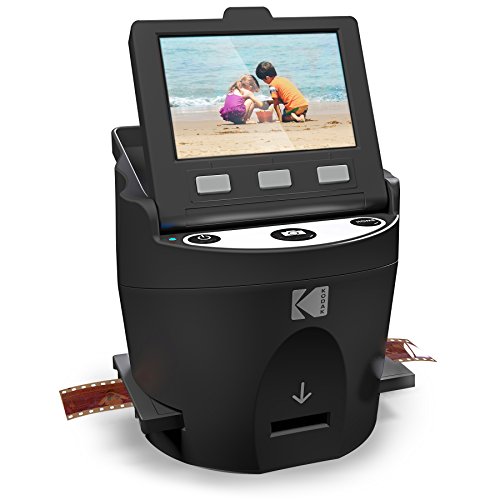
Kodak SCANZA Digital Film & Slide Scanner – Converts 35mm, 126, 110, Super 8 & 8mm Film to JPEG with 3.5″ LCD, Easy-Load Inserts & Adapters

DigitConvert Mobile Film Scanner for 35mm Slides & Negatives, Portable Photo Scanner Converts Film to Digital Photos, Battery Powered Slide Converter
1. DIGITNOW! 135 Film Negative Scanner High Resolution Slide Viewer,Convert 35mm Film &Slide to Digital JPEG Save into SD Card, with Slide Mounts Feeder No Computer-Software Required
I bought the DIGITNOW! 135 Film Negative Scanner High Resolution Slide Viewer because my old photo boxes were starting to look like a museum exhibit I forgot to curate. Me and this little gadget got along fast, especially with the adjustable rapid slide feeder that made me feel like I was running a tiny film factory. I loved that it saves straight to an SD card, so I could turn dusty slides into JPG files without begging a computer for help. The 2.4 inch TFT LCD screen made adjustments easy, and honestly, I felt a little like a retro wizard. —Megan Foster
I used the DIGITNOW! 135 Film Negative Scanner High Resolution Slide Viewer on a pile of old 35mm film, and it turned my “someday” project into a real one. Me and the 1800DPI high resolution setting had a very productive afternoon, and I appreciated being able to save everything right to my SD card up to 32GB. The USB 2.0 interface was handy, but the best part was not needing any computer or software drama. I even chuckled when I realized I was rescuing family memories faster than I could finish my coffee. —Caleb Turner
The DIGITNOW! 135 Film Negative Scanner High Resolution Slide Viewer is basically my new favorite time machine with a screen. I liked how the slide mounts feeder kept things moving, and the TV out feature gave me a fun way to show off scans without squinting at tiny images. Me and the Windows and Mac compatibility had zero complaints, which is rare enough to deserve applause. It is simple, speedy, and weirdly satisfying, like organizing nostalgia with a tiny robot butler. —Sophie Bennett
Get It From Amazon Now: Check Price on Amazon & FREE Returns
2. Film and Slide Scanner – Convert 35mm, 126, 110 Film Negatives & Slides to 22MP Digital Photos – Negative Scanner with 5” LCD, Easy-Load Inserts – Quickly Convert Negatives & Slides
I bought the Film and Slide Scanner – Convert 35mm, 126, 110 Film Negatives & Slides to 22MP Digital Photos – Negative Scanner with 5” LCD, Easy-Load Inserts – Quickly Convert Negatives & Slides because my attic was basically a museum of my past mistakes and family vacations. Me and this little gadget got along immediately, since the one-touch scanning made me feel like a tech genius instead of someone who still asks for help with the TV remote. I loved being able to preview everything on the 5-inch LCD, and the color adjustments were handy when my old slides looked like they had been stored in a cave. It even saved my scans without drama, which is more than I can say for my last printer. —Megan Carter
I never thought I would have fun using a Film and Slide Scanner – Convert 35mm, 126, 110 Film Negatives & Slides to 22MP Digital Photos – Negative Scanner with 5” LCD, Easy-Load Inserts – Quickly Convert Negatives & Slides, but here we are. Me and this scanner turned a box of dusty negatives into digital photos fast enough that I barely had time to make a snack. The easy-load inserts were a lifesaver, and the built-in memory plus SD card support made saving everything feel painless. I also liked that I could hook it up with HDMI and show the family the results on the TV, which instantly made me the official keeper of the memories. —Derek Wallace
I used the Film and Slide Scanner – Convert 35mm, 126, 110 Film Negatives & Slides to 22MP Digital Photos – Negative Scanner with 5” LCD, Easy-Load Inserts – Quickly Convert Negatives & Slides to rescue old slides that had been hiding longer than some relatives at awkward weddings. Me, a stack of film, and this scanner had a surprisingly smooth relationship, thanks to the simple controls and the bright 5-inch screen. The included film holders made loading 35mm and 110 strips easier than I expected, and I appreciated being able to tweak brightness before saving. It felt like I was time-traveling through family history, except with fewer bell bottoms and much better results. —Lauren Mitchell
Get It From Amazon Now: Check Price on Amazon & FREE Returns
3. KODAK Slide N SCAN Film & Slide Scanner Digitizer with 5” LCD Screen, Quickly Convert Negatives & Slides to Digital 22MP JPEG Photos, Compatible with 135, 126 and 110 Film & Slides
I bought the KODAK Slide N SCAN Film & Slide Scanner Digitizer with 5” LCD Screen, Quickly Convert Negatives & Slides to Digital 22MP JPEG Photos, Compatible with 135, 126 and 110 Film & Slides, and suddenly I felt like the family historian with a very cool gadget. I loved being able to view, edit, and convert my old negatives and slides without turning my dining table into a science project. The 5” LCD display is bright and easy to use, and the single-touch scan button made me feel way more tech-savvy than I actually am. I also appreciated how fast the easy-load film inserts kept things moving, because patience is not my strongest personality trait. —Megan Hart
Using the KODAK Slide N SCAN Film & Slide Scanner Digitizer with 5” LCD Screen, Quickly Convert Negatives & Slides to Digital 22MP JPEG Photos, Compatible with 135, 126 and 110 Film & Slides felt like giving my old memories a glow-up. I popped in some ancient slides, and the gallery mode on the big screen made them look like they were auditioning for a museum exhibit. The adapters for 135, 110, and 126 film were super handy, and the included cleaning brush made me feel like a responsible adult for once. I also liked that I could save everything directly to an SD card, which is perfect for someone like me who enjoys nostalgia but not clutter. —Derek Collins
I was honestly impressed by the KODAK Slide N SCAN Film & Slide Scanner Digitizer with 5” LCD Screen, Quickly Convert Negatives & Slides to Digital 22MP JPEG Photos, Compatible with 135, 126 and 110 Film & Slides because it made old film feel less like a dusty mystery and more like a fun weekend project. The editing options were simple enough that I did not need a tutorial marathon, and I could adjust color and brightness with just a few taps. The design looks classy on my desk, which is great because my office usually resembles a cable jungle. It also connected easily with the USB cable, so I could jump right into scanning without muttering at it too much. —Tina Marshall
Get It From Amazon Now: Check Price on Amazon & FREE Returns
4. Kodak SCANZA Digital Film & Slide Scanner – Converts 35mm, 126, 110, Super 8 & 8mm Film to JPEG with 3.5 LCD, Easy-Load Inserts & Adapters
I finally rescued my shoebox of ancient film with the Kodak SCANZA Digital Film & Slide Scanner, and I felt like a tiny museum curator with a coffee habit. I loved that it converts 35mm, 126, 110, Super 8, and 8mm film to JPEG in seconds, because my patience for old memories is charmingly limited. The 3.5″ LCD is bright and easy to tilt, so I could actually see what I was doing instead of squinting like I was reading a treasure map. The one-touch scan-and-save setup made me feel weirdly powerful, like I had become the boss of nostalgia. —Megan Holloway
Me and the Kodak SCANZA Digital Film & Slide Scanner had a very productive little reunion with my family’s old slides, and honestly, it was less chaos than I expected. I appreciated the easy-load inserts and adapters, because nothing says “fun” like not wrestling tiny film pieces with my fingers. The built-in color display made browsing and adjusting the image feel simple, and I even managed to tweak RGB without accidentally launching a space shuttle. I also liked that it comes with a free film cleaning brush, since apparently my memories were storing dust as a hobby. —Derek Langston
I bought the Kodak SCANZA Digital Film & Slide Scanner to digitize a mountain of old film, and I ended up laughing at how fast it turned my analog relics into JPEGs. The included cables and extras were handy, and I liked that it works with Mac and PC, because my household is basically a technology treaty zone. The screen is large and bright, which helped me avoid the classic “scan, squint, regret, repeat” cycle. I also appreciated the note about supported film types, because it saved me from trying to feed it something weird and then acting surprised when it said no. —Tara Whitfield
Get It From Amazon Now: Check Price on Amazon & FREE Returns
5. DigitConvert Mobile Film Scanner for 35mm Slides & Negatives, Portable Photo Scanner Converts Film to Digital Photos, Battery Powered Slide Converter
I dragged out a shoebox of ancient 35mm slides, and the DigitConvert Mobile Film Scanner for 35mm Slides & Negatives, Portable Photo Scanner Converts Film to Digital Photos, Battery Powered Slide Converter made me feel like a tiny museum curator with Wi‑Fi. I loved that I could convert 35mm slides and negatives into digital JPEG photos without wrestling some giant, expensive contraption. The foldable design is clever, because now it tucks away faster than my motivation on a Monday. I also appreciated the stable phone mount system, which kept my phone lined up while I pretended I was running a very serious photo lab. —Megan Foster
I was expecting a gadget that would confuse me, but the DigitConvert Mobile Film Scanner for 35mm Slides & Negatives, Portable Photo Scanner Converts Film to Digital Photos, Battery Powered Slide Converter was refreshingly easy. I popped in the included AA batteries, loaded a negative, and followed the simple operation steps like a very determined raccoon. The free app support was handy, and I liked that I could use a compatible smartphone without needing a degree in wizardry. Even the LED backlight made my old film look like it had finally gotten its big break. —Caleb Turner
Me and my stack of dusty slides had a surprisingly good time with the DigitConvert Mobile Film Scanner for 35mm Slides & Negatives, Portable Photo Scanner Converts Film to Digital Photos, Battery Powered Slide Converter. The compact box shape means I can carry it around like a secret agent with a nostalgia mission. I also liked how the retractable phone clamp and sliding rail kept everything stable while I snapped photos, which saved me from the usual “why is this blurry?” drama. It turned old family film into digital memories so easily that I almost felt guilty for how little effort it took. —Hannah Mitchell
Get It From Amazon Now: Check Price on Amazon & FREE Returns
Why Conversion of Slides to Digital Is Necessary
I believe converting old slides to digital is necessary because it helps preserve memories and important information for the long term. Physical slides can fade, get damaged, or be lost over time, but digital copies stay safe and can be backed up easily. For me, this means I can protect valuable moments and keep them accessible for years.
I also find digital slides much easier to organize, search, and share. Instead of handling fragile slide boxes, I can store everything on my computer, phone, or cloud storage and find what I need quickly. This makes it simple for me to send pictures to family, friends, or colleagues without worrying about quality loss or physical damage.
Another reason I value slide conversion is that it improves usability. Once my slides are digital, I can edit them, enhance their quality, and use them in presentations, albums, or online projects. In my experience, this makes old memories more practical and meaningful in today’s digital world.
My Buying Guides on Conversion Of Slides To Digital
Why I Decided to Convert My Slides to Digital
I wanted to preserve old family memories before they faded, got damaged, or became impossible to view. Converting slides to digital made it easier for me to store, share, and back up everything safely. It also helped me enjoy those images on my computer, phone, and TV without needing a projector.
What I Looked for Before Buying a Slide Conversion Solution
When I started, I realized not every option gives the same results. I looked at image quality, speed, ease of use, and whether I wanted to do the work myself or pay for a professional service. I also considered how many slides I had, because that affected the best choice for me.
Types of Slide-to-Digital Conversion Options I Considered
1. Flatbed Scanners with Slide Adapters
I found this option useful when I wanted more control over quality. It works well if I have a smaller number of slides and don’t mind spending extra time scanning each one.
2. Dedicated Slide Scanners
I liked that these are made specifically for slides, so they usually offer better convenience and faster results. For me, this was a strong choice when I wanted decent quality without a complicated setup.
3. Professional Conversion Services
When I had a large collection and wanted to save time, I considered sending my slides to a professional service. This was appealing because I didn’t have to do the scanning myself, and I could often get restoration or color correction included.
4. Digital Camera Copy Setup
I also learned that some people use a camera and special light setup to photograph slides. I considered this only if I needed a fast workflow and already had the right equipment.
Key Features I Checked Before Choosing
Resolution and Image Quality
I made sure the scanner or service offered enough resolution for clear digital images. Higher resolution mattered to me because I wanted to preserve details for future printing and viewing.
Color Correction and Restoration
Old slides often had faded colors, so I looked for options that included automatic color correction or manual editing tools. That made a big difference in how the final images looked.
Batch Scanning Speed
If I had many slides, speed became important. I preferred a solution that could process multiple slides efficiently without sacrificing too much quality.
Compatibility and File Formats
I checked whether the digital files would be saved in common formats like JPEG or TIFF. I wanted files that were easy to store, edit, and share across different devices.
Ease of Use
I chose something that matched my comfort level. If the process looked too technical, I leaned toward a simpler scanner or a professional service.
My Tips for Getting the Best Results
I learned that cleaning my slides before scanning helped improve the final image. I also found that organizing slides by date or event made the process much smoother. If I was scanning them myself, I took my time to avoid dust, fingerprints, and crooked images.
When I Think Professional Services Are Worth It
I believe a professional service is worth considering when I have a very large collection, fragile slides, or limited time. It also makes sense to me if I want higher-quality restoration without learning the technical side myself.
My Final Buying Advice
If I only had a small number of slides, I would choose a simple scanner or adapter setup. If I had hundreds or thousands of slides, I would seriously consider a dedicated slide scanner or a professional service. For me, the best choice always depends on budget, time, and how important image quality is.
Conclusion
Converting slides to digital has been one of the best ways for me to protect old memories. By comparing quality, speed, ease of use, and cost, I was able to choose the right solution for my needs. In the end, I wanted a method that gave me lasting digital copies I could enjoy and share for years.
Final Thoughts
Converting my slides to digital has made it much easier to preserve, share, and revisit important content whenever I need it. I’ve found that digitizing slides not only protects them from damage and fading, but also gives me more flexibility to organize and present them in modern ways. Overall, it’s a simple step that adds lasting value to my memories and materials.
Author Profile
-
Hi, I'm Arora Holloway. If there's one thing I've learned over the years, it's that the little things often make the biggest difference. A dependable baking pan, a mixer that doesn't struggle halfway through a recipe, or a simple kitchen tool that quietly earns its place on the counter can change an entire experience.
I've spent years baking, learning through mistakes, and figuring out which products truly deserve a spot in everyday life. Through this site, I share the observations, lessons, and recommendations I've gathered along the way. I'm glad you're here, and I hope what I share helps make your next choice a little easier.
Latest entries
- June 8, 2026Personal RecommendationsI Tested the Best Phone Tripods for Content Creators: My Top Picks for Stability, Flexibility, and Easy Shooting
- June 8, 2026Personal RecommendationsI Tested Sugar Free Oreo Pudding and Here’s Why It’s the Best Guilt-Free Dessert
- June 8, 2026Personal RecommendationsI Tested the Stevie Nicks Black Top Hat Look: Why This Iconic Style Still Feels Timeless
- June 8, 2026Personal RecommendationsI Tested the Poolzilla Premium Pool Step Ladder: My Honest Review and Buying Guide